
How to drive precision and confidence in seed testing
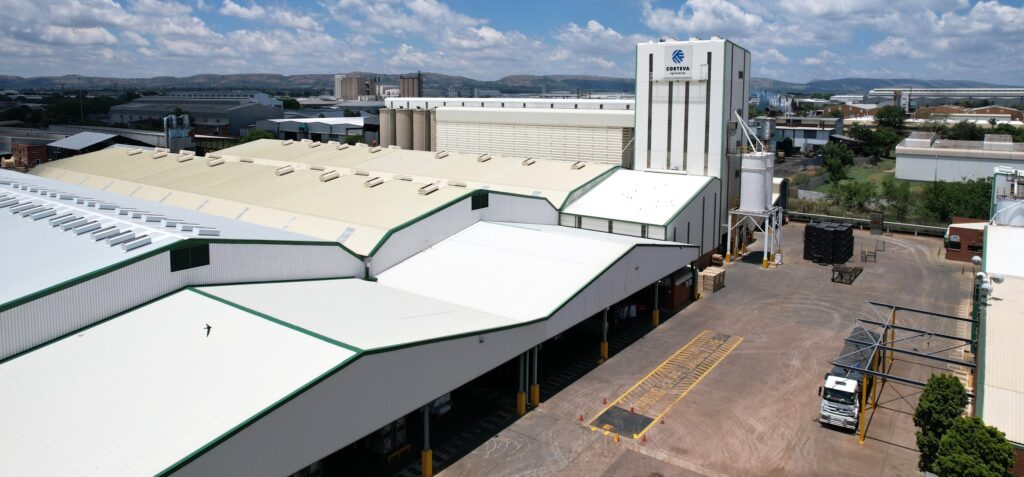
Quality assurance in a modern seed system begins much earlier than the laboratory
Intelligent systems can fix Africa’s post-harvest crisis
How technology tailored to local conditions could help shift Africa’s food systems from reacting to losses to preventing them.
Celebrity chefs make an urgent call for access to more sustainable seafood
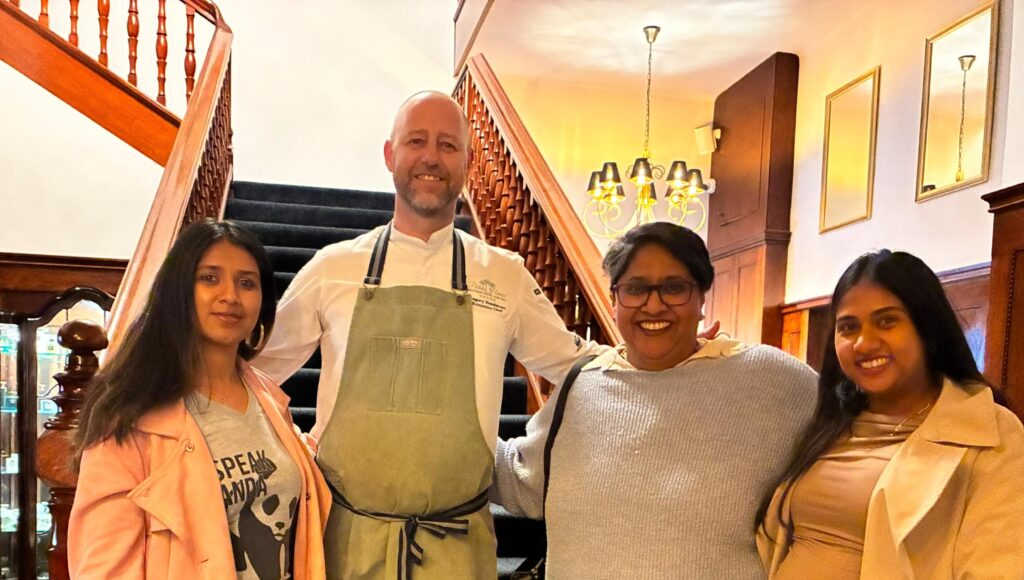
Top South African celebrity chefs have joined a clarion call for retailers and suppliers to prioritise more responsible fishing and aquaculture practices in their supply chains according to a new report from WWF’s Southern African Sustainable Seafood Initiative.
How to assess and manage burnload on the farm
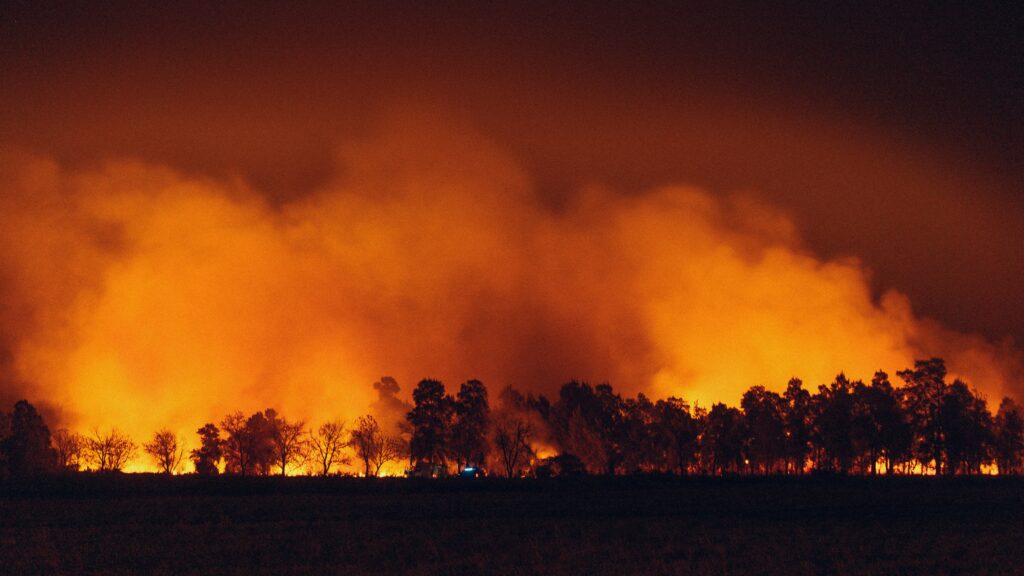
The burnload (or fuel load) assessment is a vital risk-management practice for farmers. Burnload is the total volume of combustible material and potential heat energy in a given space.
El Niño isn’t just a weather event, it’s an economic red flag for South Africa
The insurance implications of a potential record-breaking El Niño event in South Africa.
El Niño forces South African farms to trust sensors more than ever – what happens if they’re hacked?
What farmers can do to protect the technology they rely on
Major events in the global wheat market that matter for South Africans
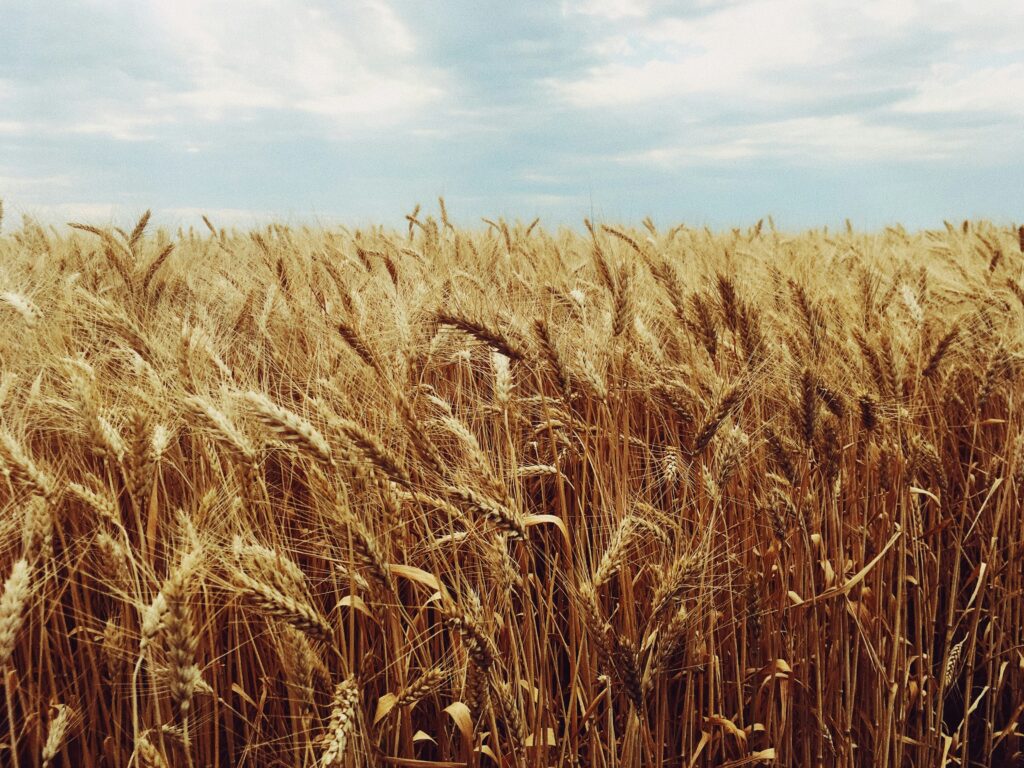
In the 2026-27 season, South Africa will likely need even slightly bigger wheat import volumes than the previous season.
Leveraging land reform and the Expropriation Act to advance food security in South Africa
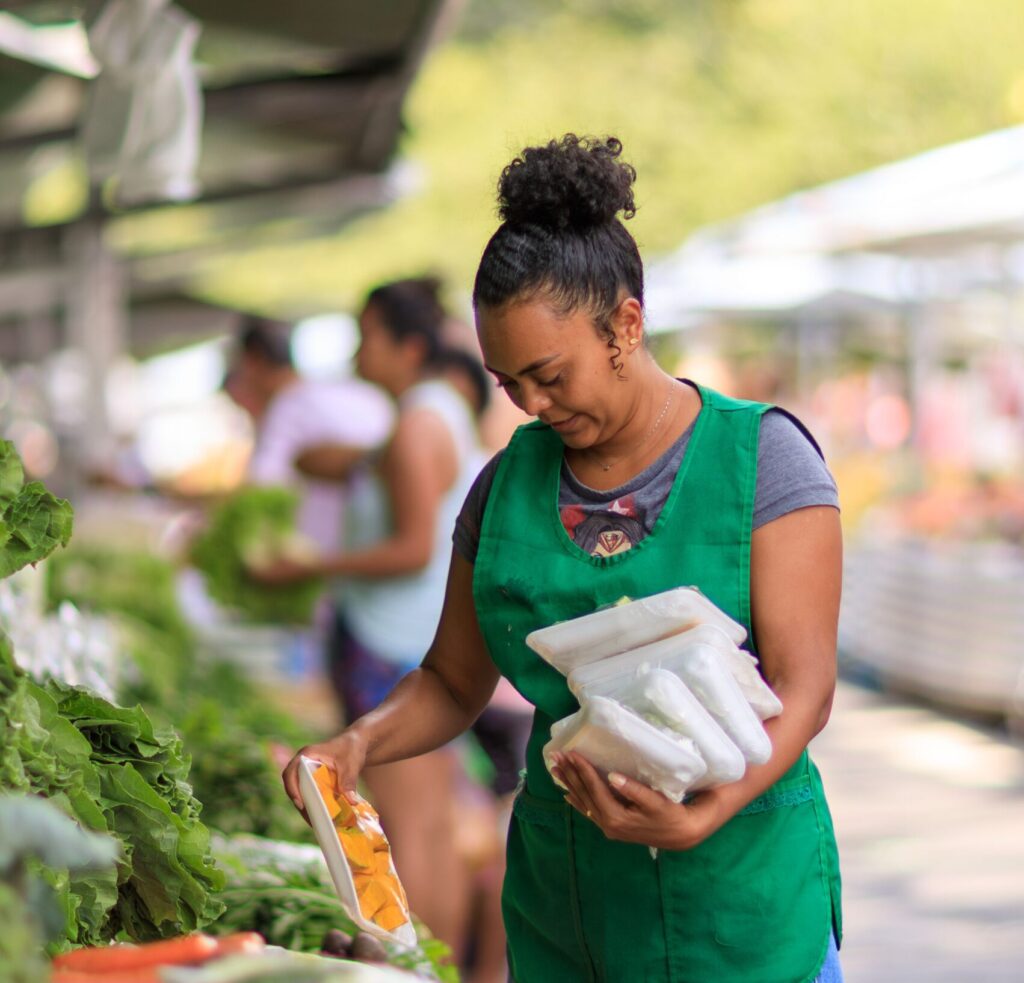
The Pan African Parliament Model Law on Food and Nutrition Security in Africa (PAP Model Law) seeks to guide African states in the development of legislative frameworks aimed at safeguarding and advancing food security
Getting ahead of cutworms: Lessons from 2025 to help farmers prepare for 2026/27
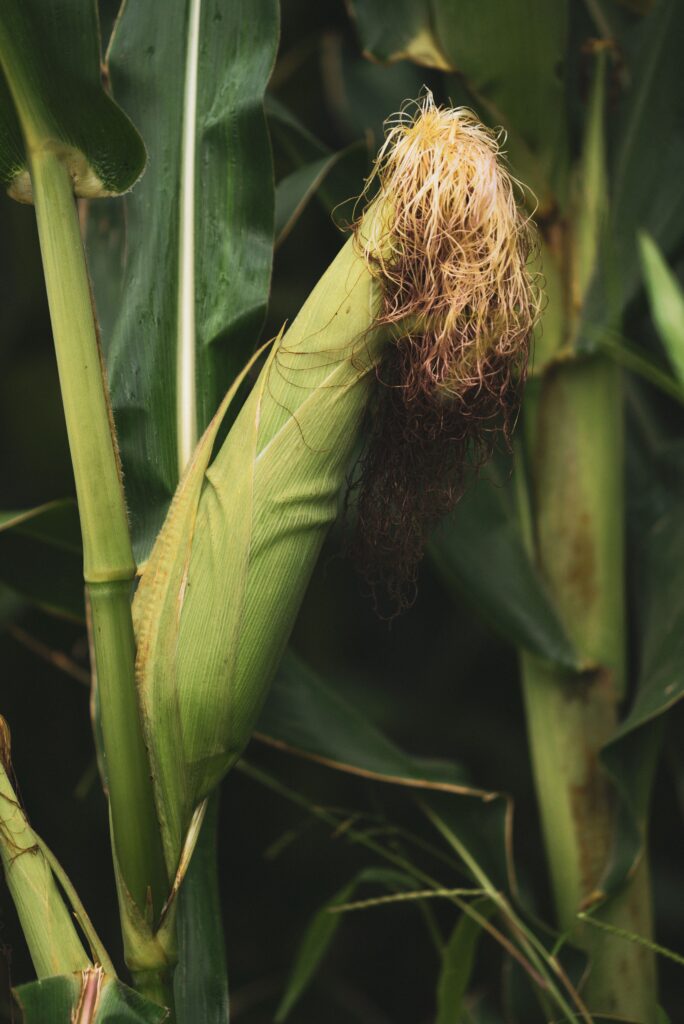
Cutworm control should start before planting, rather than after damage appears.
More land, better life? South African farming study asks if that’s the road to rural development
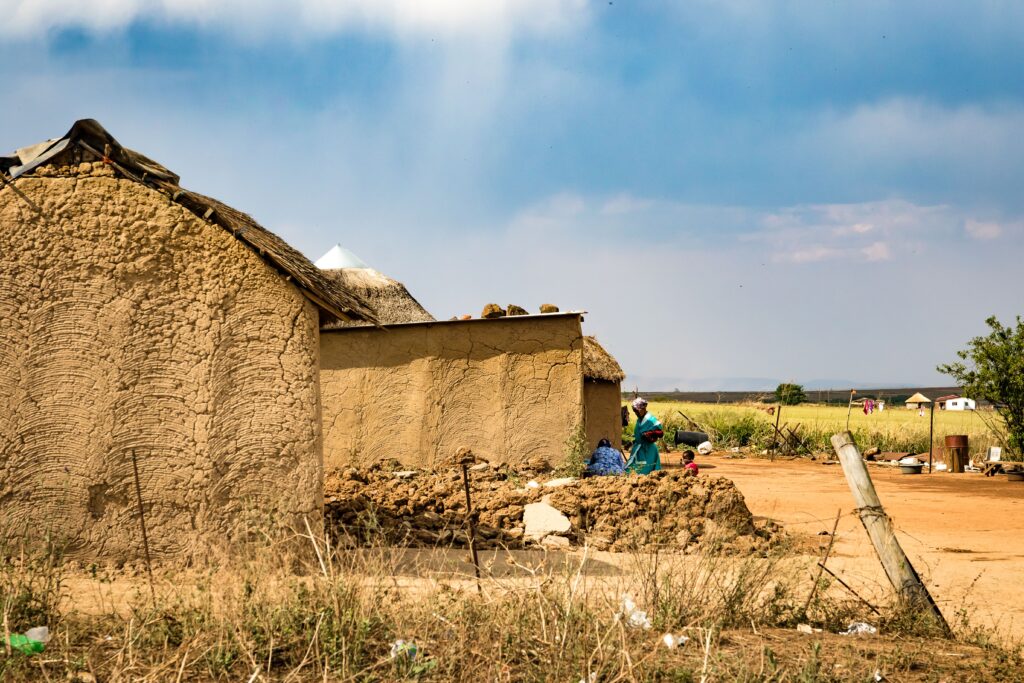
One of the most important lessons is that many rural households are not simply waiting for an agricultural intervention.